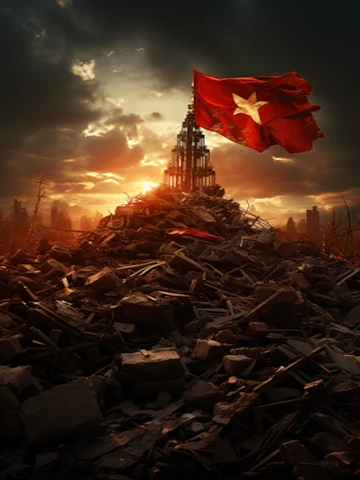


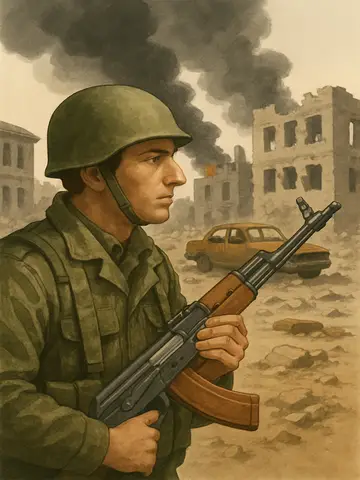
The conflict in the former Yugoslavia in 1991 marks the beginning of a tumultuous and bloody period in the Balkans, which profoundly reshaped the political map of South-Eastern Europe. This civil war stems from ethnic, political and economic tensions accumulated for decades, exacerbated by the rise of nationalism and the disintegration of the Yugoslav federation. Understanding the origins of this conflict and its early violence is essential to grasp the subsequent upheavals in the region.
The origins of the conflict in the former Yugoslavia in 1991
The roots of the conflict in the former Yugoslavia date back to the ethnic and historical complexity of the region, where several peoples lived together within the same federal state. After Tito's death in 1980, the fragile balance created by his governance began to deteriorate, exacerbating rivalries between republics. The rise of nationalism, particularly in Croatia and Slovenia, was accompanied by a desire for independence from the central government dominated by Serbia. The difficult economic situation and the political crisis have also played a key role, creating an environment conducive to the fragmentation and rise of inter-ethnic tensions.
The first violence and disintegration of the country
In 1991, these tensions degenerated into armed clashes. Slovenia was the first to declare independence, followed rapidly by Croatia. The reaction of the Yugoslav army, mostly controlled by Serbs, led to a rapid escalation of violence, particularly in Croatia, where the Serbian minority opposed secession. The fighting has rapidly increased in intensity with sieges, massacres and massive displacement of populations. This civil war marked the beginning of the disintegration of Yugoslavia, which would continue with even more deadly conflicts in the following years, particularly in Bosnia and Herzegovina.
The 1991 conflict in the former Yugoslavia was the prelude to a decade of war, suffering and major geopolitical transformations in Europe. The poorly managed ethnic tensions and nationalist ambitions led to the end of a single federal state and the violent break-up of the region. This tragic chapter recalls the importance of dialogue and peaceful coexistence in multicultural societies, as well as the dangers of an excessive rise in nationalism in fragile contexts.