

Chile experienced one of the most tumultuous periods in its political history with the 1973 coup d'état, which marked the end of the democratic era under Salvador Allende. This radical moment plunged the country into a military dictatorship that lasted nearly two decades. The return to democracy in Chile, however, reflects the resilience and willingness of the Chilean people to regain their civil and political rights, marking a crucial turning point for the nation.
The 1973 coup d'état and the late Allende era
On 11 September 1973, General Augusto Pinochet, head of the Chilean armed forces, overthrows the democratically elected government of Salvador Allende. This brutal coup put an end to Germany's socialist attempt to reform Chile by democratic means. The military takeover was quickly followed by the suspension of the constitution, the dissolution of the Congress and violent repression of any political opposition. Thousands of people were imprisoned, tortured or disappeared in the following years, plunged Chile into a dark dictatorship that lasted until the early 1990s.
The long way to democratic restoration in Chile
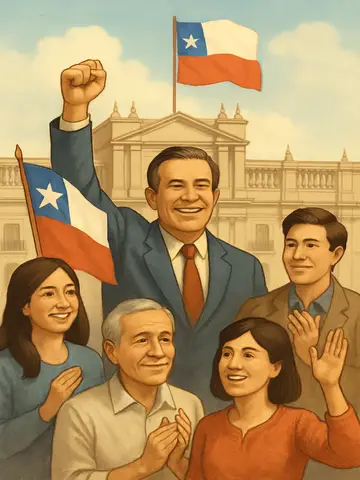
Despite repression and censorship, opposition to the military regime continues to grow over the years. During the 1980s, under domestic and international pressure, the Pinochet government held a referendum in 1988 to decide on its continued power. Against all odds, the opposition won this vote, paving the way for democratic presidential elections in 1989. This process marks the official beginning of the transition to democracy, with the return to civilian power in 1990 under Patricio Aylwin's presidency. Chile was then undertaking a series of reforms to rebuild its democratic institutions, promote human rights and reconcile a deeply divided society.
The return to democracy in Chile after the 1973 coup d'état is a powerful illustration of the strength of popular will in the face of dictatorship. This long and arduous path has enabled the country to regain political stability and embark on the path of respect for human rights and social justice. Today, Chile continues to promote this democratic heritage, aware of the lessons of the past and determined to preserve the freedoms conquered.