

In 1700, England underwent a major cultural transition with the adoption of a drink that would become emblematic of its national identity. This event is part of a historical context in which trade and social transformation profoundly influence consumption patterns.
Historical and political background before national adoption
At the end of the 17th century, England emerged from a period of political unrest, including the Glory Revolution of 1688, which strengthened the constitutional monarchy. At the same time, maritime and colonial expansion opened up new markets, particularly with the American colonies. The introduction of exotic products from the colonies helps to diversify consumption. Among these products, a foreign drink is gaining in popularity thanks to the urban bourgeoisie and the trading classes, aspired to a symbol of social distinction.
Adoption and social impact of drinking in England 1700
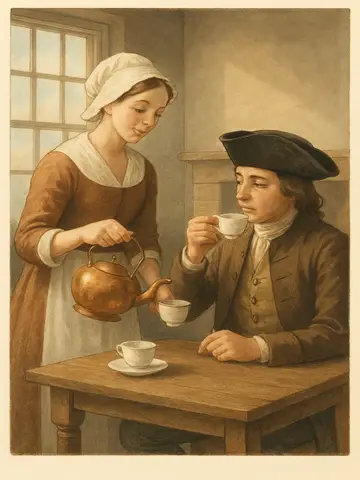
In 1700, tea officially became the English national beverage, gradually replacing alcoholic beverages such as beer or cider in some settings. Its adoption is favored by the East India Company, which controls the import of tea from China. Tea also imposes itself as a social and cultural marker, promoting the emergence of consumer-related salons and rituals. In the long term, this preference alters lifestyles, influences public health and stimulates the commercial economy, notably through the taxation of tea, which will generate colonial tensions in America a few decades later (e.g. Boston Tea Party, 1773).
The formalization of tea as a national beverage in 1700 is a key step in English social and economic history. It illustrates the interactions between politics, trade and culture at the dawn of the eighteenth century, while announcing major changes in British society and its colonies.