

Mayotte's attachment to the Comoros in 1886 is a key episode in the history of the Comoros archipelago in the Indian Ocean. This political decision, taken in a colonial context marked by European rivalries, profoundly influenced the fate of Mayotte and its neighbouring islands. Understanding this event allows us to better understand the territorial, cultural and political dynamics that persist in this region today.
Mayotte's attachment to the Comoros in 1886
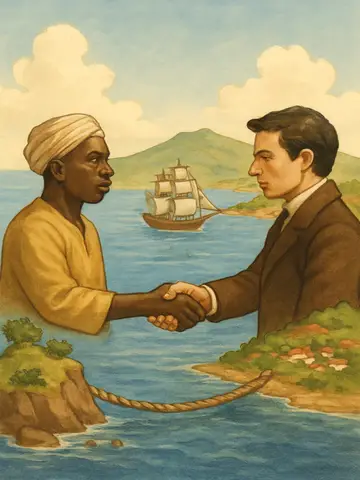
In 1886 Mayotte was officially attached to all the Comoros under French supervision, marking an essential step in the French colonization of the archipelago. Initially Mayotte had been ceded to France in 1841 by the local Sultan, but it was only in 1886 that France decided to unify administratively Mayotte with the other islands of the Comoros. The aim of this connection was to strengthen the French presence in the region and to better organize the governance of the islands in the face of the trade and geopolitical pressures of other colonial powers such as England. It was also a means of consolidating authority over a strategic territory located on the sea routes between Africa, Madagascar and Asia.
Historical consequences of Mayotte's connection
Mayotte's connection with the Comoros has had lasting political, social and economic consequences. While the other islands of the Comoros would gradually opt for independence, Mayotte was distinguished by his choice to remain under French administration, especially after the referendums of the 1970s. This cleavage has generated political tensions and debates on the island's sovereignty, which still persist today. At the social level, this decision has also helped to shape a unique Mayotte identity, mixing African, Comorian and French influences. Finally, Mayotte's anchoring in the French Republic has enabled economic development to be different from that of the other islands, particularly in terms of infrastructure and public services, thus strengthening its integration into the French space.
Mayotte's attachment to the Comoros in 1886 remains an essential historical turning point that continues to influence the geopolitics of the Indian Ocean. It illustrates the complexities of colonization and decolonization, as well as the sovereign choices of local people facing international challenges. Even today, this event sheds light on the debates on Mayotte's identity, sovereignty and development in the region.