

The tapa, this ancestral textile art of Polynesia, represents more than just a fabric: it embodies cultural identity, spirituality and know-how transmitted from generation to generation. By 1800, this practice was deeply rooted in the daily and ceremonial life of Polynesian peoples, testifying to a rich history that continues to fascinate researchers and art enthusiasts.
The fascinating history of Tapa in Polynesia around 1800
At the beginning of the 19th century, tapa was an essential part of Polynesian society. Produced from the beaten bark of trees like the mulberry mulberry mulberry mulberry mulberry mulberry mulberry mulberry mulberry mulberry mulberry mulberry mulberry mulberry mulberry mulberry mulberry mulberry mulberry mulberry mulberry mulberry mulberry mulberry mulberry mulberry mulberry mulberry mulberry mulberry mulberry mulberry mulberry mulberry mulberry mulberry mulberry mulberry mulberry mulberry mulberry mulberry mulberry mulberry mulberry mulberry mulberry mulberry mulberry mulberry mulberry mulberry mulberry mulberry mulberry mulberry mulberry mulberry mulberry mulberry mulberry mulberry mulberry mulberry mulberry mulberry mulberry mulberry mulberry mulberry mulberry mulberry mulberry mulberry mulberry mulberry mulberry mulberry mulberry mulberry mulberry mulberry By 1800 each island developed its own patterns and styles, often related to ancestral beliefs or historical events. Tapa was also a valuable exchange between communities, thus strengthening social and economic ties. The period is marked by a great richness in the techniques and diversity of the decorations, illustrating a living and evolving culture in the face of the first European contacts.
Traditional techniques of creating Polynesian Tapa
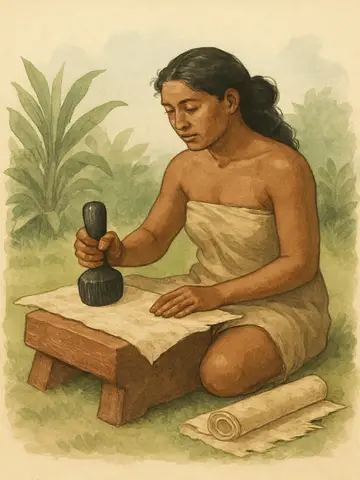
The manufacture of the Polynesian tapa remained a meticulous and collective task, mainly entrusted to women. The first step was to harvest the inner bark of the aut tree, which was allowed to soak to soften it. Then the fibres were beaten with wooden mallets on a smooth surface, a long process that transformed the bark into a thin and resistant canvas. Once the fabric was ready, it was hand decorated with natural pigments extracted from plants and soil, often in geometrical or symbolic figurative patterns. Each stage, from preparation to decoration, reflected an ancestral know-how transmitted orally, testifying to the profound connection between the artisans and their natural environment.
The Polynesian tapa of 1800 is a valuable testimony to the cultural and artistic richness of the Pacific Islands. Beyond its utilitarian aspect, it reflects a complex history, combining traditions, spirituality and creativity. Even today, rediscovering and valuing this art helps to preserve a living heritage, essential to the identity of Polynesian peoples.