

The July 1830 Revolution, also known as the Three Glories, is a major event in French history that marks the end of the Restoration and the beginning of the July Monarchy. This popular insurrection profoundly transformed the country's political landscape by overthrowing King Charles X and establishing Louis-Philippe as a monarch. In order to fully understand this revolution, it is essential to examine the root causes that caused it and the course of the days that constituted it.
The root causes of the Revolution of July 1830
The July Revolution finds its roots in widespread discontent with the reactionary policies of Charles X, the last king of the older branch of the Bourbons. His reign was marked by a desire to restore monarchical absolutism and ignore the freedoms acquired after the French Revolution and the Charter of 1814. The dissolution of the Chamber of Deputies in 1830, pressure on the press, the suspension of several newspapers and the imposition of restrictive laws fueled the anger of the middle classes, students, workers and liberals. The king's desire to strengthen his authority through the ordinances of Saint-Cloud, which limited political freedoms and censored the press, was the drop of water that overflowed the vessel.
The key course of the three revolutionary days
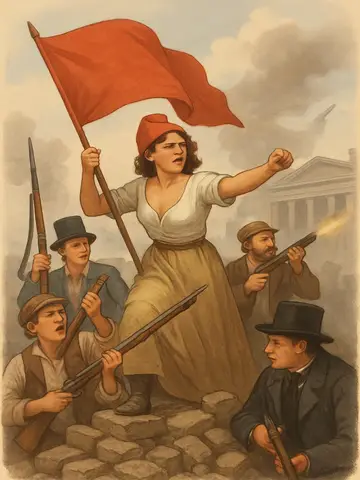
The Trois Glorieuses, from 27 to 29 July 1830, were the scene of an intense insurrection in Paris. It all began with a strong resistance from the Parisians to the royal ordinances, which triggered uprisings in the streets. Barricades were erected, bringing together a diverse crowd of workers, students and bourgeois. The fighting was violent but decisive, eventually forcing Charles X to abdicate and flee to exile. These days were marked by a spirit of revolutionary solidarity and a common will to overthrow a regime perceived as oppressive. At the end of the Three Glories, the July monarchy was proclaimed, with Louis-Philippe, Duke of Orleans, who ascended the throne promising a more liberal constitutional monarchy.
The Revolution of July 1830 is a historic turning point that illustrates the tension between authoritarianism and democratic aspirations in France. It shows how popular protest, brought about by social diversity, can overthrow a power deemed illegitimate and pave the way for a new political era. This uprising remains a powerful example of citizen engagement in the defence of freedoms and rights, while laying the foundations for the political developments of the 19th century in France.