

The publication of the novel 1984 in 1949 marked a major turning point in the literature of the twentieth century. Written by George Orwell, this dystopical work is distinguished by its dark vision of a totalitarian future where surveillance, manipulation of truth and suppression of individual freedoms are omnipresent. This novel, published in a particularly tense political and social context, quickly generated a wide debate and a strong resonance among readers and critics.
Historical context of the publication of 1984 in 1949
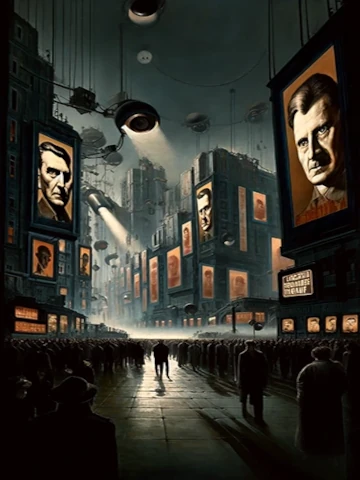
By 1949, the world had just emerged from the rubble of World War II, marked by an emerging cold war between the Soviet and Western blocs. It was in this climate of distrust and ideological tensions that George Orwell published. 1984. The novel reflects the deep fears related to the rise of totalitarian regimes such as Stalinism in the USSR and the fascist drifts observed shortly before. Fear of widespread surveillance, censorship and propaganda then invaded the collective imagination. In this, 1984 This is a literary response to contemporary political events, illustrating the potential dangers of an all-powerful state capable of controlling every aspect of citizens' lives.
Critical reception and immediate impact of the 1984 novel
On his way out, 1984 was greeted with a mixture of admiration and shock. The critic praised Orwell's visionary power, as well as his clear and striking style. The novel was quickly perceived not only as a work of fiction, but also as a relevant political warning. Many saw it as a sharp criticism of totalitarian regimes and a warning against the loss of individual freedoms. However, some readers and intellectuals were also disturbed by the oppressive and pessimistic atmosphere of the narrative. Despite this, 1984 became a reference work in intellectual debates on freedom, power and truth, lastingly influencing political and cultural thinking in the following decades.
The publication 1984 in 1949 was not only a literary event, but also a key moment in collective reflection on the nature of power and the fragility of human freedoms. Thanks to its precise historical context and its immediate impact, George Orwell's novel continues to resonate today, constantly recalling the dangers of totalitarianism and the importance of defending freedom of expression and truth.