The Premier Hit Samba of 1930 marks a founding stage in Brazil's musical history. At that time, Samba, an iconic genre of music and dance, began to impose itself not only in the popular neighbourhoods of Rio de Janeiro, but also on the international stage. This article explores the development of this first great samba success and its cultural influence and global impact.
Premier Hit Samba's rise in 1930 in Brazil
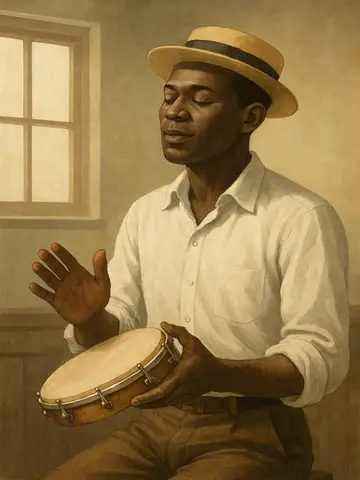
In 1930, the samba grew in popularity thanks to a first hit that captured the very essence of this festive and rhythmic music. This title, often regarded as a turning point, skillfully mixes African sounds inherited from slaves with European influences, creating a unique musical identity. The diffusion of the record, coupled with the rise of urban radio stations, allows this hit to touch all layers of Brazilian society, from favelas to bourgeois salons. It is also the beginning of an increased professionalisation of samba musicians, who see their art recognized and valued as a national heritage.
Cultural influence and global success of the 1930 Samba
The success of the First Hit Samba is not limited to Brazil. Very quickly, this dynamic music attracts the attention of international scenes, especially in Europe and North America, where the lively and joyful rhythm fascinates. Samba becomes a symbol of Brazilian identity abroad, bringing with it a festive and colourful image of the country. Moreover, this international popularity influences other musical genres, causing fusions and experiments that enrich world popular music. Thus, the 1930 hit is not only a milestone in Brazilian music, but also a powerful vector of global cultural outreach.
The 1930 Premier Hit Samba represents more than just a song: it is the starting point for a musical history that will profoundly mark Brazil and the world. Through its success and influence, it has helped to make the samba a true cultural icon, symbol of a vibrant identity and a contagious joy of living. Even today, this first great success remains a reference for all samba lovers and a valuable testimony to Brazilian musical history.