

The opening of the Channel Tunnel in 1994 marks a major turning point in the history of European infrastructure. A real technical feat, this tunnel connects France and the United Kingdom, offering a direct terrestrial connection between the two countries for the first time in centuries. This ambitious project, the result of decades of reflection and work, has profoundly transformed economic, cultural and human exchanges in Europe.
The beginnings and construction of the Channel Tunnel
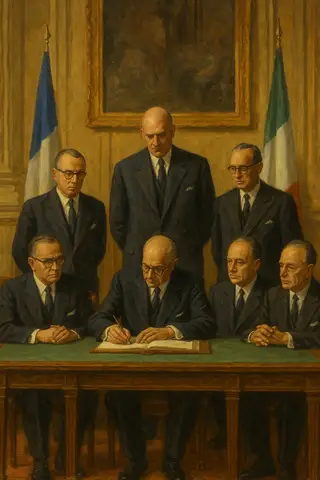
The Channel Tunnel project was conceived in the 19th century, but it was only in the 20th century that technological advances made its realization possible. The negotiations between France and the United Kingdom, which began in the 1970s, resulted in a formal agreement to launch the work in 1988. The construction of the tunnel mobilized thousands of engineers and workers, who pierced nearly 50 kilometres below sea level, between Folkestone and Coquelles. This titanic project was marked by enormous technical challenges, notably the management of geological conditions and the safety of workers, but also by exemplary Franco-British cooperation.
The historic inauguration of 1994 and its major impacts
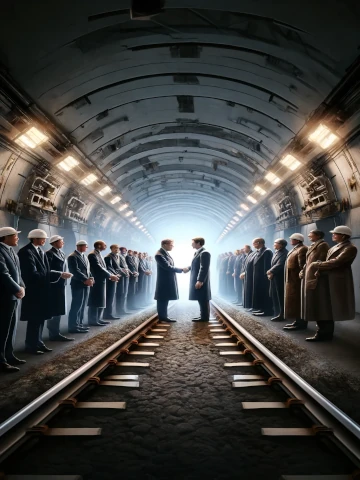
The official inauguration of the Channel Tunnel took place on 6 May 1994, in the presence of French and British Heads of State François Mitterrand and John Major. This symbolic moment was celebrated as the culmination of a dream of European unification and opened a new era in international transport. Since its opening, the tunnel has significantly accelerated trade and tourism between France and the United Kingdom, facilitating the daily movement of thousands of passengers and goods. It has also strengthened cultural and economic ties between the two nations, while embodying the human capacity to overcome major obstacles to bringing peoples closer together.
In 1994, the opening of the Channel Tunnel laid the foundations for a more connected and integrated Europe. More than just a transport infrastructure, this tunnel symbolizes the collective ambition to cross natural and political boundaries to build a common future. Even today, there remains an emblem of innovation, international cooperation and progress in the service of mobility.