


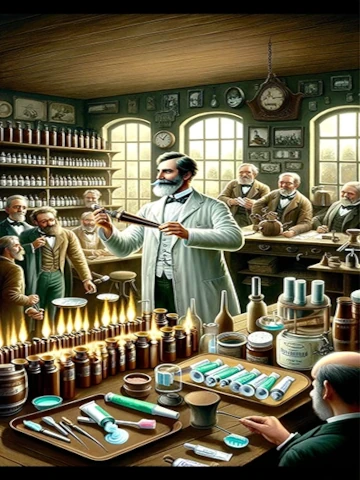
The invention of the toothpaste tube in 1896 marked a crucial step in the evolution of oral hygiene care. Before this innovation, the toothpaste was sold in powder or pots, making its use less practical and less hygienic. The switch to the tube revolutionized the way consumers used this product on a daily basis, simplifying its application while improving its preservation.
Origin of toothpaste tube in 1896
In 1896 the first metal toothpaste tube was patented, an invention attributed to an American manufacturer. Inspired by the tin tube used for oil paints, the concept was adapted to contain a toothpaste. This new container offered a practical and hygienic solution that protected the paste from air and external contaminants. The tube could also be compressed to easily extract the desired amount of toothpaste, thus facilitating daily use. This innovation quickly gained popularity and became the norm in the dental industry.
Impact of the invention on oral hygiene
The appearance of the toothpaste tube had a considerable impact on oral hygiene habits. By making toothpaste more accessible and easy to use, this invention has encouraged more regular and efficient use of the product. In addition, the protection provided by the tube has improved the quality and properties of the toothpaste, thus contributing to better prevention of caries and gum diseases. Over time, this innovation has promoted awareness of the importance of daily brushing, becoming a key element in the dental health of millions of people around the world.
The invention of the toothpaste tube in 1896 represents a major turning point in the history of oral hygiene. By combining practicality, hygiene and preservation, this simple container has transformed the experience of brushing teeth, making this essential habit more accessible and effective. Even today, the toothpaste tube remains a symbol of innovation in the service of daily health.