

Crosswords, now a must-go pastime around the world, have a very specific origin dating back to 1913. This invention revolutionized intellectual entertainment by proposing a game combining reflection, vocabulary and logic. Let us return to the birth of this phenomenon and its fulgurating cultural impact from its creation.
The origin of crosswords in 1913: a revolutionary creation
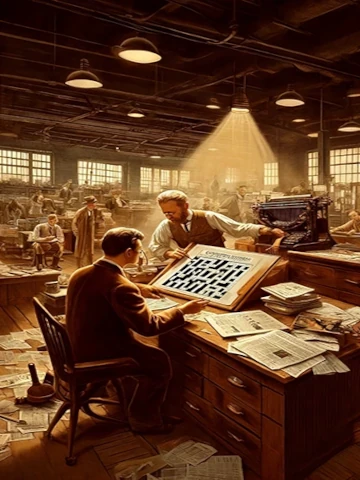
The invention of crosswords is attributed to Arthur Wynne, a British journalist who worked for the New York newspaper Fun 1913. Faced with the constant search for novelties to entertain readers, Wynne designed a diamond-shaped grid with definitions to fill horizontally and vertically. This game, originally named « word-cross », quickly distinguished by its originality and its ability to stimulate the mind. This creation was not only a hobby, but a real playful innovation that combined language, general culture, and logic in a form accessible to all.
Cultural impact and rapid popularity of crosswords since 1913
From the time they were published, the crosswords met with immediate and growing success, captivating a diverse audience. This new entertainment quickly crossed the borders of the United States to establish itself in Europe, particularly in France and Britain. Newspapers and magazines have integrated the grids into their pages, helping to spread this game widely. Beyond simple fun, crosswords have become an educational tool, a means of enriching your vocabulary and cultivating your memory. Their popularity has ceased to grow over the decades, making crosswords a deeply rooted cultural element in society.
The invention of crosswords in 1913 marks a major step in the history of games of reflection. This simple and intelligent game has been able to pass through time, adapting to cultural developments while remaining a fun accessible to all. More than a century after its creation, crosswords continue to enrich our minds and offer a stimulating pause in daily tumult.