


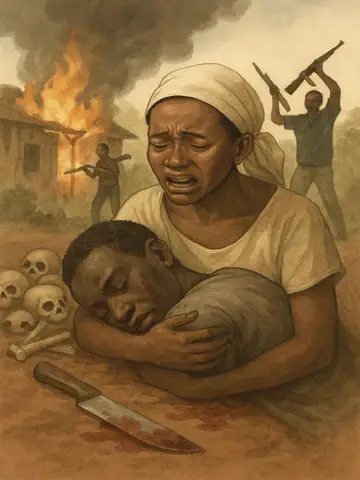
The genocide of the Tutsis in Rwanda in 1994 remains one of the most tragic and significant episodes of contemporary African history. Within a hundred days, nearly 800,000 people belonging to the Tutsi ethnic group and moderate Hutus were exterminated in unprecedented violence. This article explores the profound origins of this genocide and the humanitarian repercussions that have resulted, as well as the current efforts to commemorate this dark period and promote national reconciliation.
The origins and causes of the Tutsis genocide
The roots of the Tutsi genocide lie in a complex historical context marked by ethnic tensions exacerbated by Belgian colonization. The settlers had favoured the Tutsi minority in power, creating deep resentment among the Hutu majority. After Rwanda's independence in 1962, these tensions degenerated into open conflicts, fuelled by hate propaganda and the rise of extremist nationalism. In 1994, the death of President Juvénal Habyarimana, an immediate trigger, was used as a pretext to launch a systematic campaign of assassinations, orchestrated by the extremist Hutu regime, with the complicity of certain media and military. This has led to the rapid and systematic extermination of the Tutsis throughout the country.
Current humanitarian consequences and commemorations
The humanitarian consequences of the genocide have been catastrophic: in addition to hundreds of thousands of deaths, millions of Rwandans have been displaced, traumatized by violence and the loss of their loved ones. The country had to deal with the reconstruction of a torn social fabric, while international justice had mobilized to try those responsible, including through the International Criminal Tribunal for Rwanda (ICTR). Today, Rwanda devotes every 7 April to the memory of the victims, with national and international ceremonies. These commemorations play a crucial role in promoting peace, reconciliation and preventing future violence, while reminding the world of the importance of never forgetting this tragedy.
The genocide of the Tutsi in Rwanda remains a painful lesson on the dangers of ethnic hatred and intolerance. Understanding its origins and consequences is essential to building a future based on justice, peace and respect for human rights. Commemoration and reconciliation efforts reflect the resilience of the Rwandan people and their willingness to turn the page while honouring the memory of the victims.