

On August 6, 1945, the world witnessed an event of unprecedented gravity: the release of the first atomic bomb on the Japanese city of Hiroshima. This attack, carried out by American forces during the last days of the Second World War, marked a historic and humanitarian turning point, leaving an indelible mark in the world collective memory. Through this article, we will explore the tragic events of this explosion and its profound human and historical consequences.
The tragic events of the explosion in Hiroshima
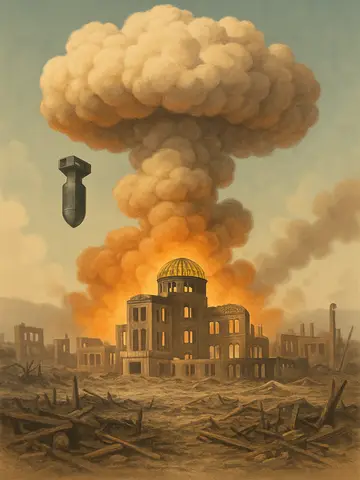
On the morning of August 6, 1945, at 8:15 a.m., the atomic bomb nicknamed « Little Boy » was dropped by the Enola Gay aircraft over Hiroshima. The explosion released energy equivalent to about 15,000 tons of TNT, instantly destroying much of the city. The blast blast, intense heat and radiation caused massive devastation, destroying buildings, infrastructure and causing the immediate death of tens of thousands of people. This act of war, unprecedented in its brutality, plunged the population into unspeakable suffering, marking a tragic moment in human history.
Human and historical consequences of 1945
The consequences of the atomic bomb in Hiroshima have been devastating in human terms. About 140,000 people died by the end of 1945, not only because of the explosion itself but also because of the long-term effects of radiation, such as cancer and genetic diseases. Historically, this event precipitated the end of the Second World War after Japan's surrender, but it also inaugurated the nuclear era, with all its promises and threats. Hiroshima has become a powerful symbol of the horrors of nuclear war and a universal call for peace and disarmament.
The explosion of the atomic bomb in Hiroshima in 1945 remains a poignant reminder of the tragic consequences of war and the destructive power of nuclear technology. In honouring the memory of the victims, the world is invited to continue to reflect on peace, responsibility and the need to prevent such tragedies from ever happening again. Hiroshima remains a living witness to the human and ethical issues that transcend conflict and history.