

The first cardiac transplant in 1967 represents a crucial step in the history of medicine. This bold operation has paved the way for major advances in the treatment of serious heart disease, forever transforming the prospects for patients with terminal heart failure.
The first cardiac transplant: a major turning point
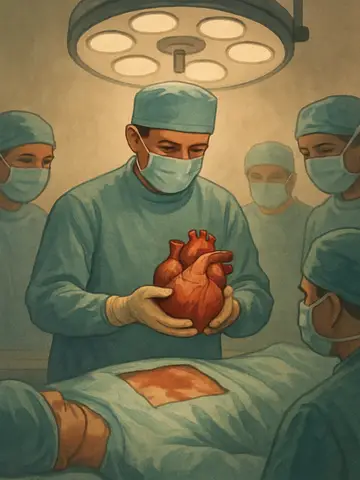
In December 1967, South African surgeon Christiaan Barnard accomplished what seemed impossible then: successfully transplanted a human heart from a deceased donor to a recipient. This intervention, carried out at Groote Schur Hospital in Cape Town, marked a real turning point in modern medicine. For the first time, a vital organ could be replaced, offering a new chance of life to convicted patients. This feat captivated the whole world, illustrating the extraordinary potential of cardiac surgery and generating immense hope among health professionals and patients.
The challenges and success of 1967 in cardiac surgery
The success of this first transplant was not without obstacles. The technical challenges were immense: mastering the preservation of the heart outside the body, avoiding immune rejection, and ensuring the patient's short-term survival. In 1967, knowledge of immunosuppression was limited, making long-term survival very uncertain. However, this pioneering operation led to intensive research into anti-rejection treatments and improved surgical protocols. Despite the complexity, Barnard's initial success proved that cardiac transplantation was feasible, paving the way for technical and medical advances that saved thousands of lives later.
The first cardiac transplant in 1967 remains an icon of innovation and medical courage. It symbolizes the ability of medicine to push the limits of the possible, transforming a dream into reality. Today, thanks to the advances that followed this historic operation, cardiac transplantation has become a reference treatment for many patients, perpetuating the legacy of this founding stage.