

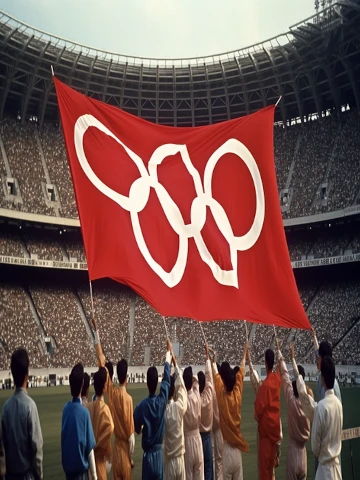
The Tokyo Olympics in 1964 represent a major turning point in the history of international sport. They marked the first time that the Games were organized in Asia, symbolizing not only the renaissance of Japan after the Second World War, but also the country's openness to modernity and global cooperation. This event has profoundly influenced the way the Olympic Games are perceived and organised, introducing technological innovations and delivering memorable performances.
Historical context of the first Tokyo Olympic Games
The 1964 Olympic Games are taking place in a context of reconstruction and rapid economic growth for Japan. Less than 20 years after the end of the Second World War, the country wanted to show the world its return to the international scene as a peaceful and modernized nation. The attribution of the Tokyo Games was also a strong symbolic gesture, emphasizing the will of nations to overcome past conflicts to celebrate unity through sport. This Olympic edition coincided with the rise of Japan as a world economic power, which allowed the construction of modern and innovative infrastructures, including the construction of the famous shinkansen, the high-speed train inaugurated just before the Games.
Innovations and highlights of the 1964 Games
The Tokyo Olympic Games were pioneers on several fronts. They were the first to be broadcast in colour on television, allowing a wider global reach and a better immersion of spectators. At the sporting level, these Games have seen historic performances, such as that of American athlete Bob Hayes, an exceptional sprinter, or the domination of Japan in judo, a sport introduced to the Olympic programme for the first time. The 1964 Games also highlighted the use of advanced technologies for the time, such as electronic timing and modern equipment in stadiums. Finally, the impeccable organization and warm welcome of the Japanese have marked the minds, establishing a model for future editions.
The Tokyo Olympics in 1964 left an indelible mark in Olympic history. They have not only symbolized Japan's revival but also brought innovations that have transformed the course of sports competitions. By combining tradition and modernity, these Games have paved the way for a more technological and visible Olympiad around the world, while offering unforgettable memories to athletes and the public. Their legacy continues to inspire the organizers of the Games to date.