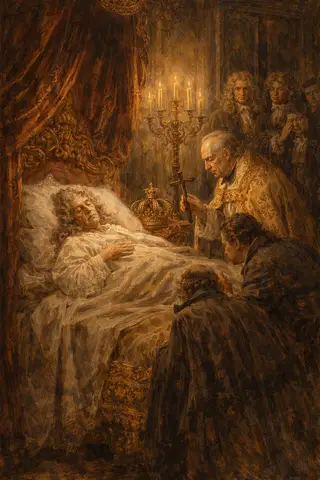


The revocation of the Édit de Nantes in 1685 was a major turning point in the history of France. This event marks the end of a period of religious tolerance instituted by Henry IV and profoundly upsets French society. To understand the impact of this decision, it is essential to revisit the historical context of the Nantes Edit and the social and religious repercussions of its revocation.
Historical context of the Nantes edition and its importance
The Edition of Nantes, promulgated in 1598 by King Henry IV, ended a long series of religious wars between Catholics and Protestants in France. This edict granted Protestants, or Huguenots, some freedom of worship and civil rights, while maintaining Catholicism as a state religion. It was an innovative compromise for the time, aimed at pacifying a deeply divided kingdom. This measure of tolerance allowed for a relative coexistence between the two faiths, promoting the political and economic stability of the country for several decades.
Social and religious consequences of the dismissal in 1685
The revocation of the Édit de Nantes under the reign of Louis XIV by the Édit de Fontainebleau established a policy of intense persecution against Protestants. This decision prohibited Protestant worship and caused the closure of temples, the destruction of schools and the denial of civil rights to Huguenots. Many chose exile, fleeing to more tolerant countries such as the Netherlands, England or Switzerland. This flight led to a significant economic and intellectual loss for France, while strengthening the Catholic religious uniformity so much desired by the royal power. On the social front, the dismissal emphasized divisions and the climate of fear, marking a dark stage in the history of religious freedoms.
The revocation of the Édite de Nantes in 1685 represents more than just a legal change: it symbolizes the end of an era of tolerance and the beginning of a period of religious repression in France. If this decision temporarily strengthened the Catholic and royal authority, it had lasting consequences for French society, especially through the massive exile of Protestants and the tensions it generated. This episode recalls the importance of respect for religious diversity for the social peace and cultural richness of a country.