


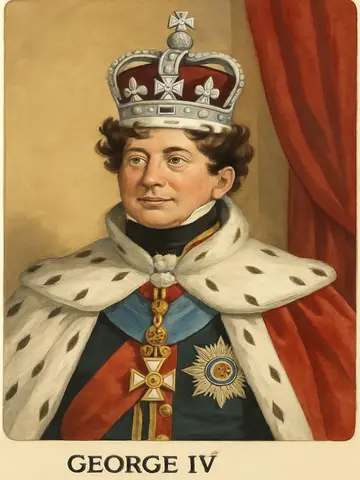
George IV is a prominent figure in British history, especially for his brief but intense reign beginning in 1820. Son of George III, he ascended to the throne at a time of profound social and political transformation in the United Kingdom. His reign, though short, left a lasting impression on the British monarchy and society of the time.
George IV's tumultuous reign in 1820
George IV entered the throne in 1820, after a long period of regency due to his father's mental illness, George III. This reign is marked by an extravagant and often criticized lifestyle, reflecting the flamboyant personality of the king. Known for his love of arts, fashion and decoration, George IV deeply influenced the taste and aesthetics of his time, including architectural projects such as the renovation of Buckingham Palace. However, his reign was also characterized by scandals and tensions, both in his personal life and in governance, which contributed to a controversial image of the sovereign.
The UK's political challenges under George IV
Politically, George IV's reign coincided with a difficult period for the United Kingdom. The country faces post-Napoleonian tensions, reform movements and growing social demands. The king, although reluctant to become directly involved in politics, must manage pressure from Parliament and demands for change, particularly in terms of civil rights and political representation. His reign also saw important debates on the Catholic question and religious freedom, illustrating the challenges of a UK in the midst of a transition to a more modern society.
The reign of George IV, despite its brevity and controversies, remained a key period for understanding the evolution of the British monarchy and political institutions of the early 19th century. Through his artistic passions and political challenges, George IV embodies a period of transition in which tradition and modernity intertwine, paving the way for the major transformations that follow under his successors.