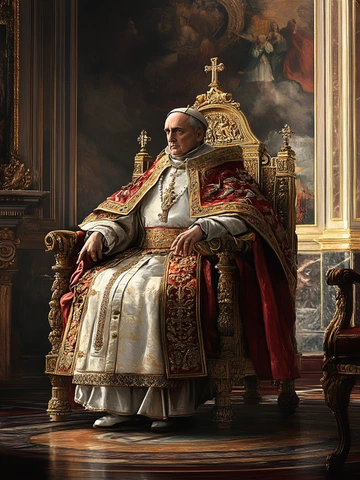
The Second Vatican Council, convened by Pope John XXIII, marks a major turning point in the history of the Catholic Church. Its opening in 1962 symbolizes the Church's desire to renew itself and dialogue with the modern world, addressing fundamental questions about faith, liturgy and ecclesial mission. This historical event profoundly influenced religious life and the Church's place in contemporary society.
Historical context and objectives of the Second Vatican Council
In the early 1960s, the world was in the midst of rapid social, cultural and political transformations. The Catholic Church, conscious of these changes, feels the need to adapt without losing its spiritual essence. Pope John XXIII, elected in 1958, wishes an aggiornamento, i.e. an update of the Church to better respond to contemporary challenges. The Council's objectives are therefore clear: to renew ecclesial life, to encourage dialogue with other religions and different cultures, and to facilitate a better understanding of the Catholic faith in a modern context. It is about opening the doors of the Church to the world, while strengthening the internal cohesion of the faithful.
Solemn opening and first decisions in 1962
On October 11, 1962, St. Peter's Basilica in Rome held an unprecedented solemn opening ceremony for an ecumenical council. Pope John XXIII delivered a historic speech calling for peace, justice and the interior reform of the Church. From the first sessions, the bishops and conciliar fathers addressed essential themes, such as the liturgy, the collegiality of the bishops and the place of the laity. The spirit of dialogue and openness is already being felt, even if passionate debates are emerging. These first decisions lay the foundation for the conciliar renewal that will extend over several years, leading to major documents that will permanently transform the Catholic Church.
The beginning of the Second Vatican Council in 1962 represents a key moment in Catholic history, where tradition and modernity meet to imagine a Church closer to the people and realities of the twentieth century. Through its openness and its first decisions, this council has offered a new dynamic to the world Catholic community, whose effects continue to be felt today. This spiritual and historical meeting remains a source of inspiration for those who seek to combine faith and commitment in a world in perpetual evolution.